
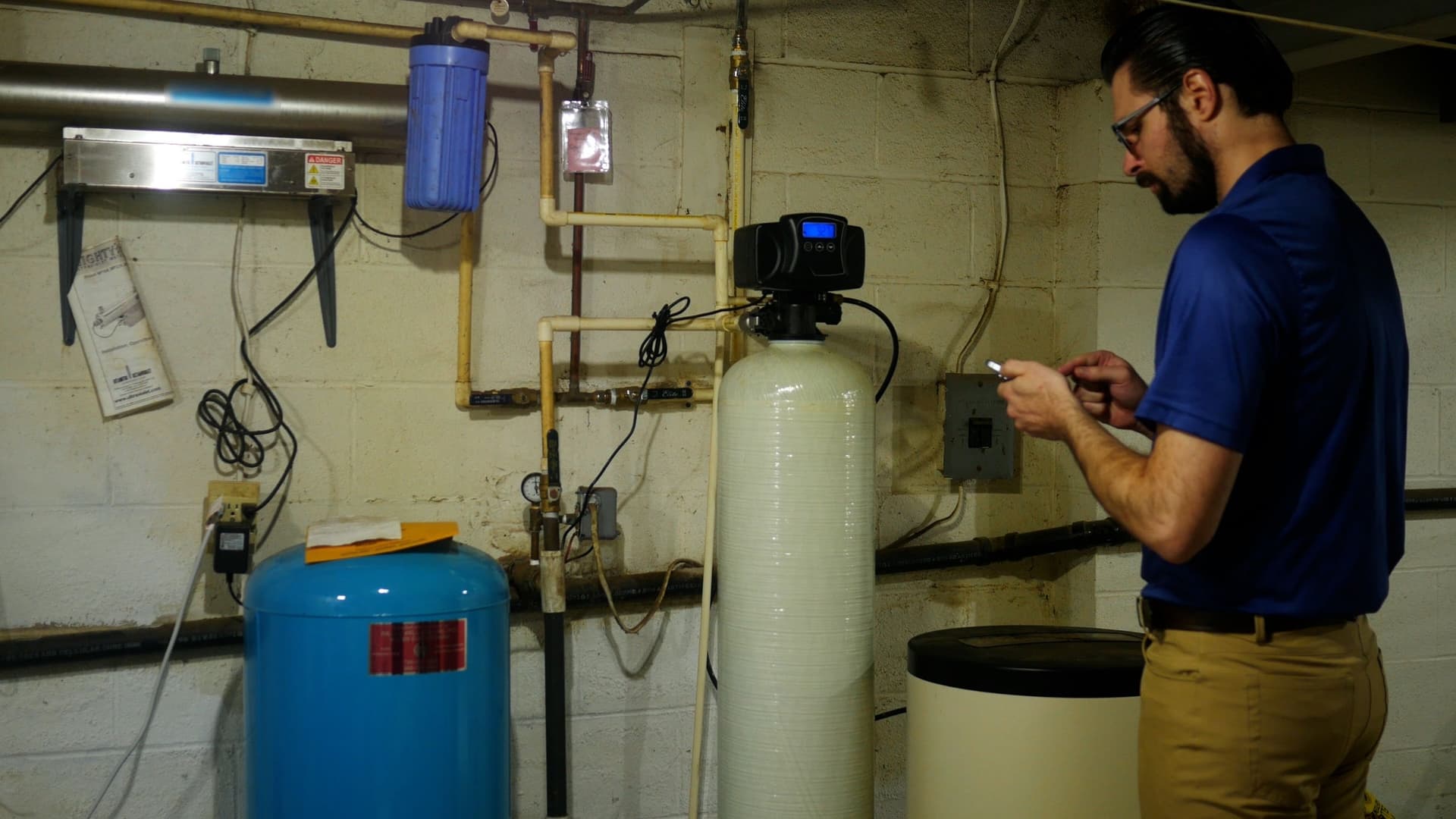
Know What's Actually Coming Out of Your Tap
Clean, safe drinking water is not something you should have to guess about. Whether your home uses a private well or a municipal water supply, water quality can be compromised by a wide range of contaminants — many of which are invisible, odorless, and tasteless.
Private well water is particularly important to test regularly, as it is not regulated by municipal treatment facilities. Older homes with lead pipes, brass fixtures, or original service lines are also at elevated risk regardless of water source. A water quality test before purchasing a property is one of the most valuable investments a buyer can make.
Hawk Home Inspection collects water samples and submits them to a certified laboratory. Results are presented in a clear, easy-to-read report with your readings compared against EPA and Indiana health standards, along with practical guidance when results indicate an issue.
- Home uses a private well rather than municipal water
- Built before 1986 (potential lead service lines or solder)
- Rust or brown staining in sinks, tubs, or toilets
- Water has unusual taste, odor, or color
- Located near agricultural land (nitrate runoff risk)
- Near industrial sites, dry cleaners, or landfills
- No water test in the past 1–3 years
- Infant, pregnant person, or immunocompromised resident in home
Water Testing FAQ
Do I need water testing if I'm on city water?
Yes. Municipal water is treated, but lead can still leach from older service lines and household plumbing — especially in homes built before 1986. Point-of-use testing at your tap confirms what actually comes out of your faucet, not just what leaves the treatment plant.
How often should a private well be tested?
The EPA recommends testing private wells at least once per year for bacteria, nitrates, and pH. A full panel test every 3–5 years covers heavy metals, VOCs, and other less common contaminants. You should also test after nearby flooding, any change in taste or odor, or if a neighbor's well tests positive for contamination.
What contaminants are most common in Northwest Indiana water?
Common regional concerns include coliform bacteria (especially in aging or shallow wells), nitrates from agricultural runoff in rural areas, iron and manganese causing staining and taste issues, lead in pre-1986 homes, and occasionally industrial VOCs near former manufacturing or industrial sites.
Is water testing required when buying a home with a private well?
FHA and VA loans require well water testing before closing. Many conventional lenders and purchase contracts also require it. Even when not contractually required, we strongly recommend a full water test for any property with a private well — the results protect both buyers and sellers.
How long does it take to get water test results?
Water samples are sent to a certified laboratory. Most standard test panels (bacteria, nitrates, pH, lead, hardness) return results within 3–5 business days. Extended panels including VOCs and pesticides may take 7–10 business days.
Serving All of Northwest Indiana
We serve communities across Lake County, Porter County, and LaPorte County. Click your city for local inspection information.
Don't see your city? Call us — we cover a wide area.
Know What's in Your Water
Don't assume your water is safe. Lab-certified testing gives you the facts — for your family's health and your real estate transaction. Free estimates available.